


 All properties
 Apartments
 Houses
 Townhouses
 Rooms
Rooms
 Studios


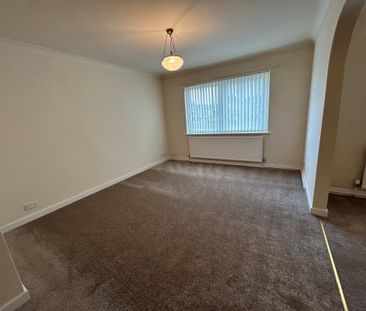
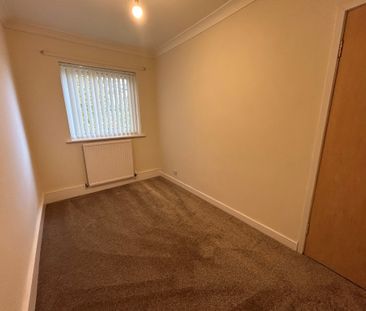
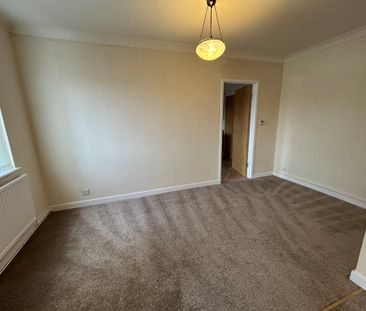
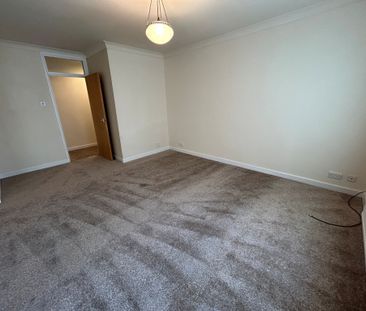
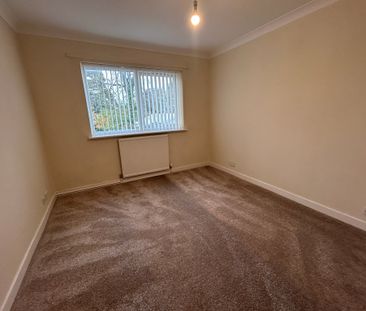
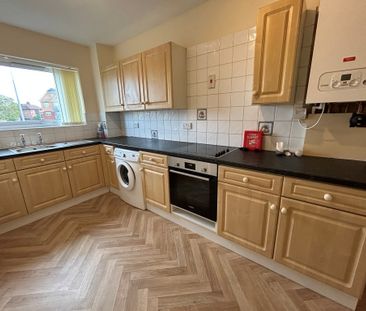

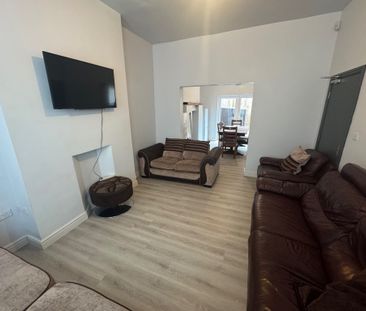
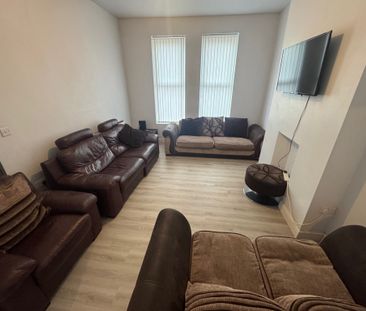
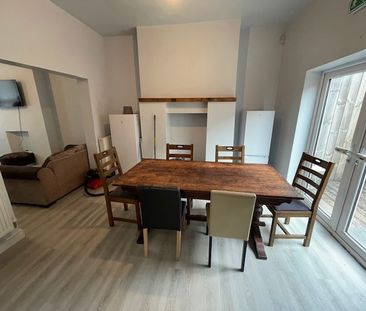
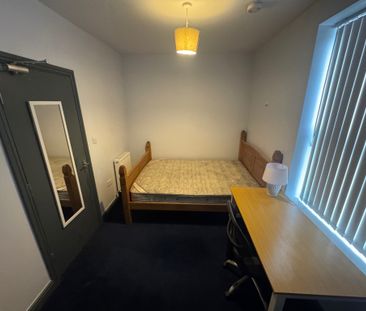
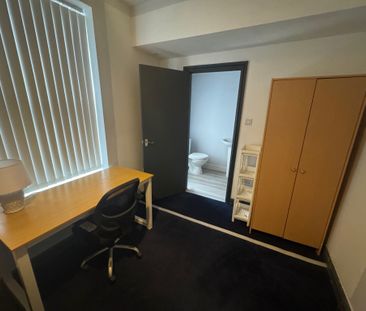
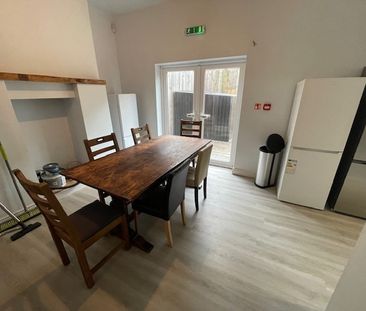
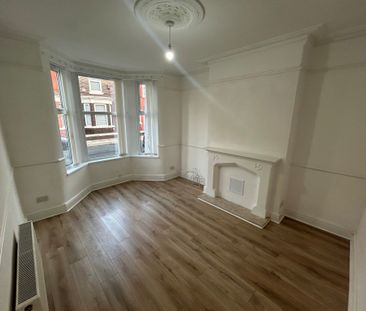
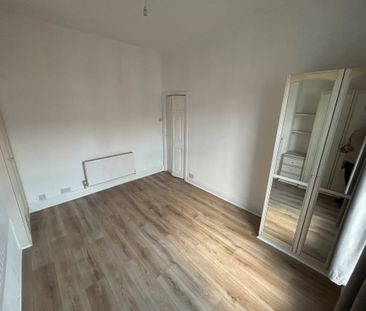
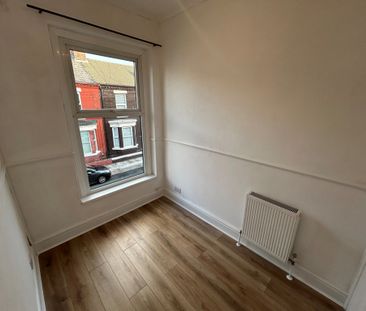
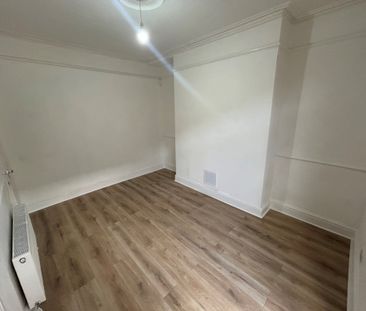
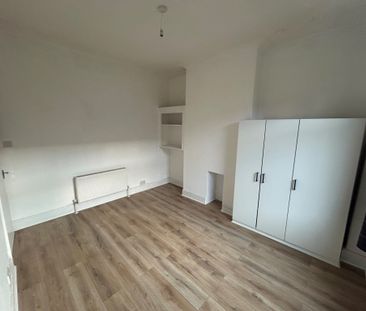
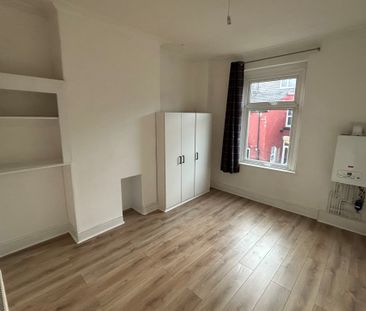





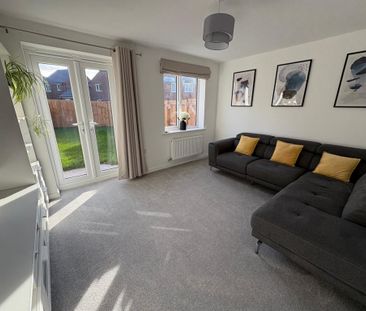

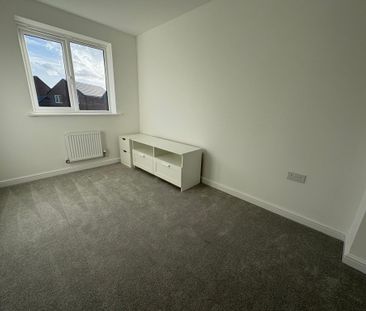
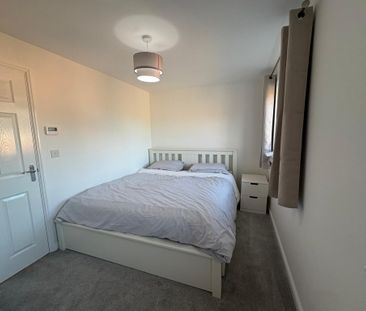
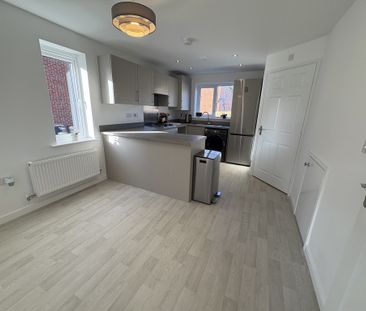
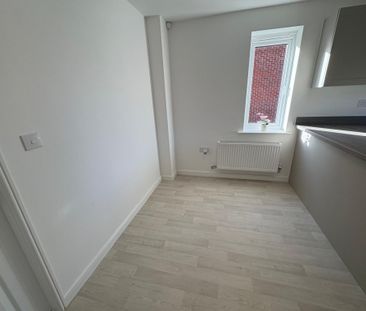

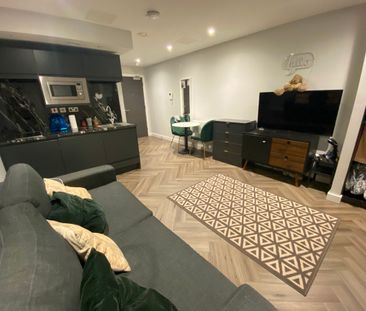
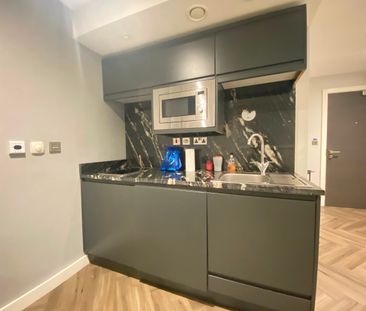
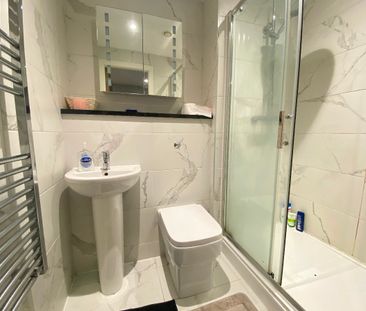


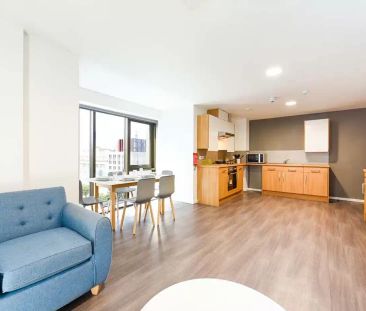


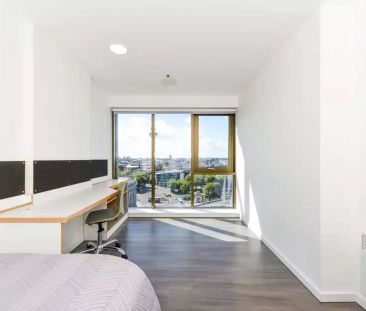

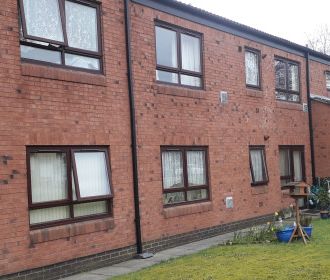



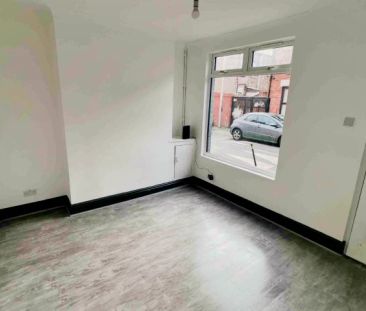


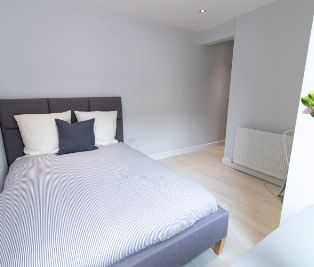
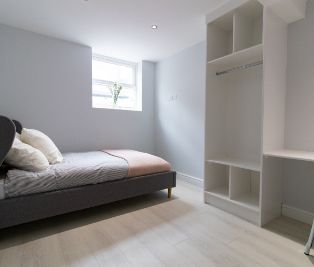
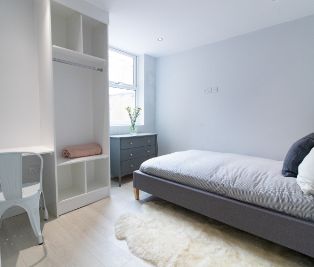

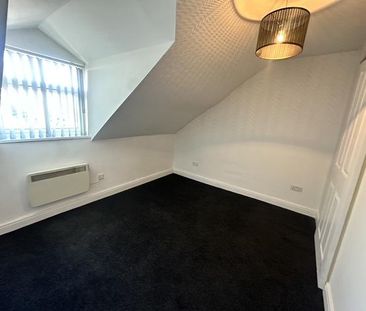
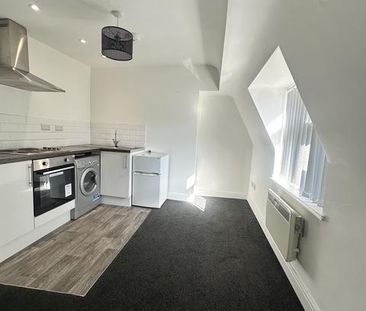
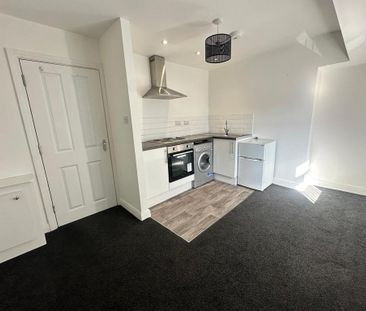


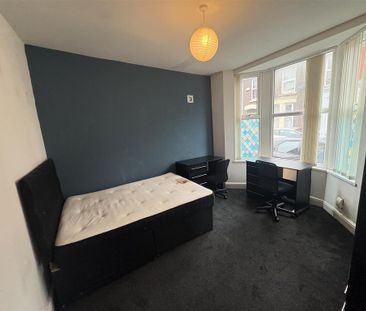

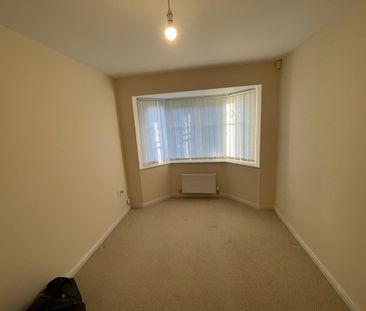


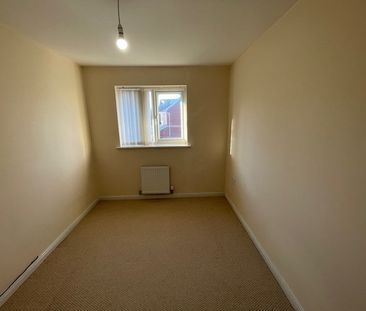
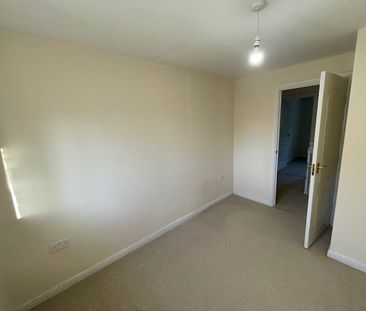
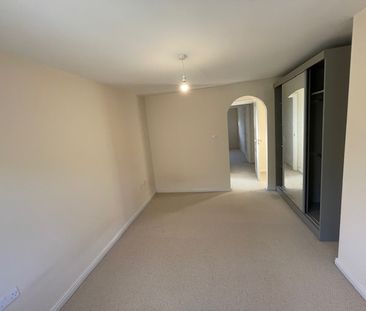
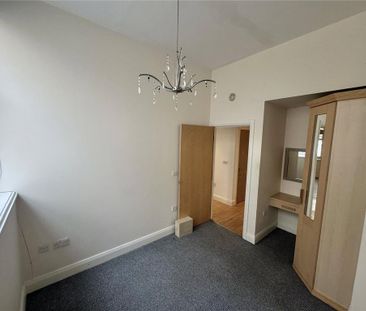


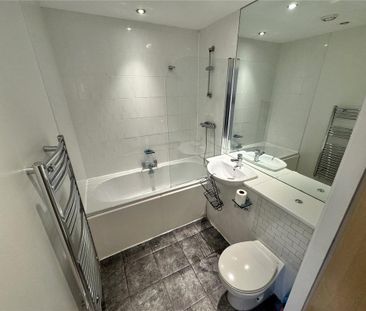


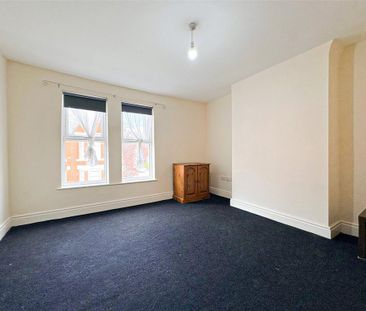


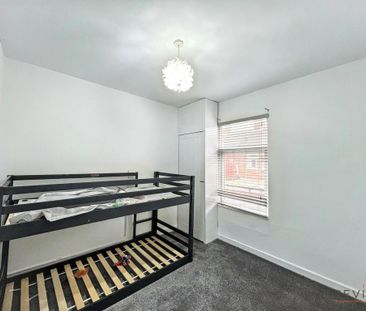


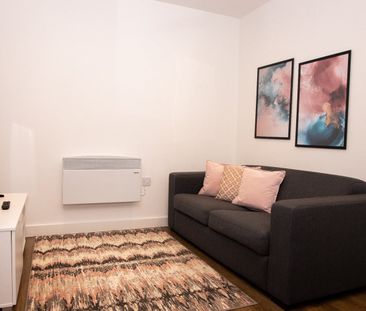




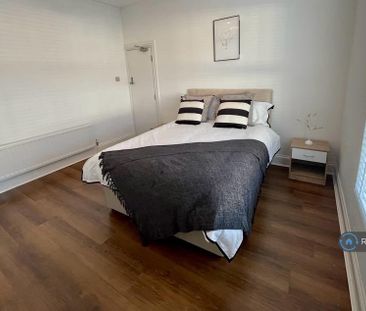


Renting in Liverpool in 2026 typically costs around £900 a month for a 1-bed and £1,150 for a 2-bed, with rooms in shared houses from £500. Most agents require annual income of 30 to 33× the monthly rent. Deposits are capped at five weeks. Most new tenancies since May 2026 are assured periodic (rolling) under the Renters' Rights Act. Have ID, payslips, employer reference, and right-to-rent proof ready before viewing.
Renting in Liverpool in 2026: waterfront supply, two universities, and Britain's best value city centre
One-bed rents average £900 a month, the docks are still delivering new towers, and the city centre carries the youngest demographic of any UK port. Here is how it works.

Neighbourhoods in Liverpool at a glance
| Neighbourhood | Typical 1-bed | Character | Best for |
|---|---|---|---|
| Baltic Triangle (L1) | £950 | Creative, warehouse conversions, nightlife | Creatives, tech, early-career |
| Ropewalks (L1) | £950 | Bohemian, music venues, walk-everywhere | Students, creatives, young professionals |
| Georgian Quarter (L8) | £1,000 | Period terraces, quiet streets, walk to centre | Professionals, families seeking period |
| Princes Dock / Liverpool Waters (L3) | £1,150 | New-build waterfront towers | Young professionals, finance |
| Aigburth / Sefton Park (L17) | £850 | Park-side, families, leafy | Families, mid-career professionals |
| Smithdown / Wavertree (L15) | £700 | Student belt, indie cafes, value | Students, postgrads, sharers |
| Anfield / Walton (L4) | £650 | Value, matchday economy | Value seekers, sharers |
| Crosby / Waterloo (L22/L23) | £800 | Coastal suburb, families, beaches | Families, retirees, premium suburb |
Ranges reflect asking rents observed across Rentumo’s feed in 2026. Individual properties — particularly period conversions and new-builds with high energy ratings — sit above the top of each band.
How to rent in Liverpool, step by step

- 1 Confirm your budget and income threshold. Most agents apply a 30 to 33 times rule: your annual income must be 30 to 33 times the monthly rent. Below this, you will need a UK-based guarantor whose income alone clears the same bar. Factor in council tax, utilities, and transport.
- 2 Get your documents in order before viewing. Photo ID, right-to-rent proof, three months of payslips, an employer reference, and proof of current address — as PDFs on your phone. Good flats let within 24 to 72 hours; the candidate who emails their full file ten minutes after viewing usually wins.
- 3 Shortlist three to five neighbourhoods, not the whole city. Pick your budget band first, then narrow to three to five areas within it that match your commute and your weekend lifestyle. Searching the whole city gives you decision paralysis.
- 4 Book viewings the same or next day. Treat each viewing as an inspection. Check the water pressure, the storage, the mobile signal, the noise from the street at 9pm, and whether the windows actually close.
- 5 Make a written offer at the advertised rent. Submit your offer in writing with your proposed move-in date and any conditions. Rental bidding above the advertised rent is restricted under the Renters' Rights Act since May 2026 — if an agent pushes you to bid up, that is your cue to walk and report to Trading Standards.
- 6 Pass referencing. The agent will run credit, income, employer, and previous-landlord checks via a third-party agency. Plan on a week. If affordability is borderline, the agent will request a guarantor before they tell you the offer has been accepted.
- 7 Sign the tenancy and pay the deposit plus first month's rent. You will most likely receive an assured periodic tenancy, not the old six-month AST. The deposit is capped at five weeks' rent; the holding deposit at one week. Your deposit must be lodged in a government-approved scheme within 30 days.
What you need in your application pack
Put everything into a single, clearly named PDF. If a letting agent has to chase you for a missing document, your application is already second in line.
- ✓ Photo ID — UK passport or driving licence. For non-UK citizens, your passport plus visa or immigration documents.
- ✓ Right-to-rent proof — UK and Irish citizens use a passport; pre-settled and settled status holders generate an online share code; visa holders use their BRP or eVisa share code.
- ✓ Proof of income — three most recent monthly payslips or, if self-employed, an accountant's letter and SA302 tax calculations covering the last two tax years.
- ✓ Proof of address — utility bill or bank statement dated within the last three months.
- ✓ Employer reference — a letter on company letterhead confirming role, start date, and salary.
- ✓ Previous landlord reference — required for most tenancies after your first.
- ✓ Guarantor details — if required: ID, three months of payslips, and proof of address.
The three Liverpool rental scams we see every week

1. The "overseas landlord" deposit trap. The listing is priced 20 to 40 per cent below market. The "landlord" claims to be abroad and offers to courier the keys once you transfer a holding deposit and first month's rent. They will not do an in-person or live-video viewing. Once you pay, they disappear. The avoidance is absolute: never pay any money before an in-person or live-video viewing. Reverse-image-search the listing photos — scam listings recycle photos from genuine adverts months apart.
2. The pressured bidding war. The agent or landlord tells you another applicant has bid above the advertised rent and asks if you want to match. As of 1 May 2026, this practice is restricted under the Renters' Rights Act — rental bidding above the advertised price is not legally permitted in many circumstances. If you are pressured to bid up, refuse and report the agency to Trading Standards. Genuine competition for a flat is decided by who applies fastest with a complete file, not by who pays the most.
3. The fake admin fee. An unregistered agency demands a "referencing fee", "admin fee", or "renewal fee" upfront. The Tenant Fees Act 2019 (and equivalents in Scotland, Wales, and NI) prohibit agents from charging these — only refundable holding deposits and security deposits are permitted upfront payments. Before paying anything, verify the agency on the relevant Property Redress Scheme or Property Ombudsman registers. Membership is legally required.
Questions readers ask about renting in Liverpool
How much income do you need to rent in Liverpool? +
Most letting agents apply a 30 to 33 times rule: your annual income should be 30 to 33 times the monthly rent. For a £900 a month one-bed, that is roughly £27,000 to £29,700 gross. If you do not meet the threshold, a UK-based guarantor with the same income on their own is the usual workaround.
How quickly do flats let in Liverpool? +
Good properties typically let within 24 to 72 hours of listing. Liverpool's market consistently has more renters than flats in the central and amenity-heavy postcodes. Same-day viewings and same-day offers are common; if you are not ready to decide quickly, the property will go to someone who is.
What is the typical deposit for renting in Liverpool? +
Five weeks' rent is the legal maximum under the Tenant Fees Act 2019 (two months in Scotland under the 2016 Act; five weeks in Wales; one month in Northern Ireland). For a £900 a month flat, plan around four to five weeks' rent. Your deposit must be held in a government-approved tenancy deposit scheme.
Can foreigners rent in Liverpool? +
Yes. Non-UK tenants need a valid passport and visa or immigration documents that prove their right to rent in the UK. Right-to-rent checks are standard in England, Wales, and Northern Ireland (Scotland operates a different framework). Expect to need a UK-based guarantor or to pay several months of rent in advance, though large advance payments are increasingly restricted across the UK.
Do I need a guarantor to rent in Liverpool? +
Only if you do not meet the income threshold or are new to the UK. A guarantor is typically a UK homeowner whose income alone clears the 30 to 33 times rent rule. Students, recent graduates, and new arrivals are most often asked for one.
How long are tenancy agreements in Liverpool? +
Since 1 May 2026, most new private tenancies in England are assured periodic tenancies, which run on a rolling basis with no fixed end date. The old six and twelve-month Assured Shorthold Tenancies have largely been retired. You can give two months' notice at any time.
Can I be evicted without a reason in Liverpool? +
Not anymore. Section 21 no-fault evictions were abolished by the Renters' Rights Act in May 2026. Landlords now need a valid Section 8 ground, such as serious rent arrears, anti-social behaviour, or genuinely intending to sell or move into the property.
Which areas of Liverpool are cheapest to rent in? +
Outer postcodes and adjacent boroughs are the most affordable. Expect one-bed flats from £650 a month at the value end of the range, with longer commutes but solid transport links to the centre.
Living in Liverpool in 2026
Living in Liverpool compresses the city in a way only Edinburgh and central Manchester really match. The L1 to L8 ring around the centre is walkable end-to-end in 25 minutes; Merseyrail's underground loop — one of the oldest urban metros in the world — gets you from the city centre to Aigburth, Crosby, or the Wirral in under 20 minutes for £3.20. The cost-of-living gap with Manchester is roughly 15 per cent, and with London close to 50.
The food and music scenes are the city's social spine. The Baltic Triangle's Camp and Furnace, Cains Brewery Village, and the Ropewalks bars carry the early-career nightlife; the Philharmonic, the Royal Court, and the Liverpool Empire carry the high culture. Independent retail clusters at Bold Street and Lark Lane. The matchday economy — Liverpool at Anfield, Everton's move to the new Bramley-Moore Dock stadium — is the city's other anchor.
Practical timing advice: Liverpool's rental year peaks August and September when the universities turn over. December and January are the consistent negotiation months — expect 5 to 10 per cent off advertised rent then. The landlord-licensing scheme is the city's most important paperwork detail: before paying any holding deposit, ask the agent for the licence number and verify it on the Liverpool City Council register. Unlicensed lets are an enforcement priority and a real risk of midstream disruption.
Plenty of Liverpool’s new renters arrive from elsewhere in the UK, Ireland and the EU — graduates, transfers, and returning expats. If you’re leaving a rental in another Rentumo market, we cover those too. Close the door on one side before opening the other.
→ Rentumo Ireland · Rentumo Germany · Rentumo France · Rentumo Netherlands
Ready to find your Liverpool rental?
Rentumo aggregates flats and houses to rent from every major UK listing portal in one place — filterable by area, budget, commute time, and property type. No bidding wars, no chasing five sites simultaneously.
— The Rentumo Editorial Team, updated for 2026