


 All properties
 Apartments
 Houses
 Townhouses
 Rooms
Rooms
 Studios

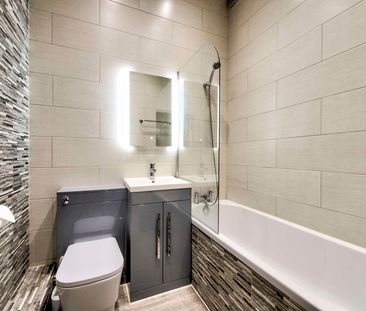


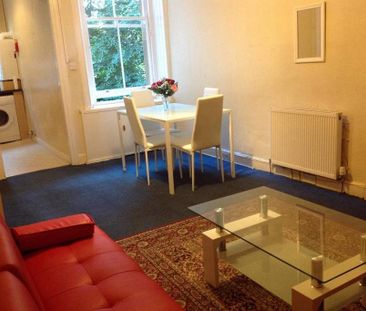

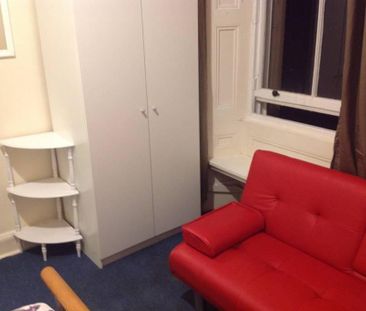
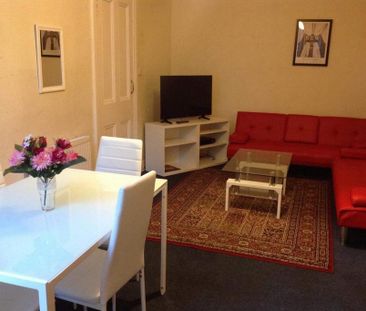

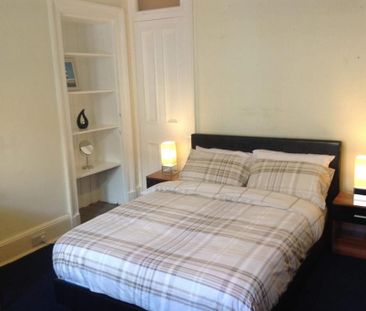
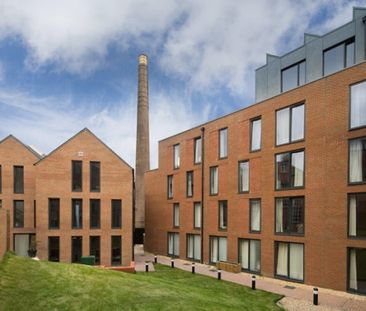

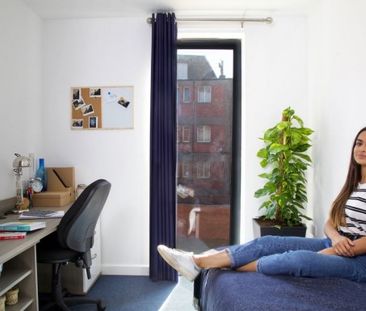

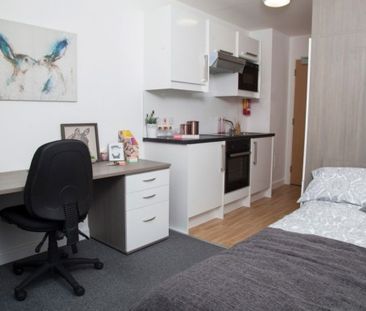


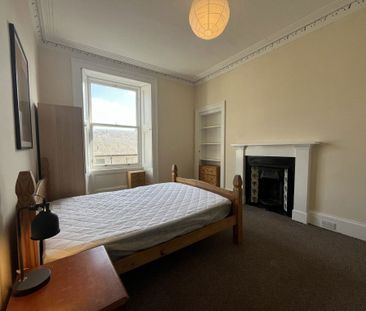
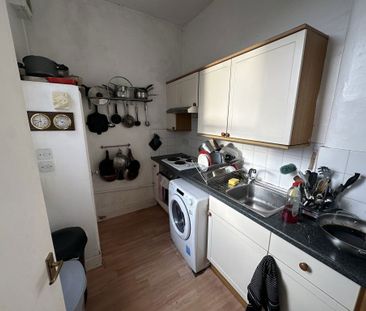
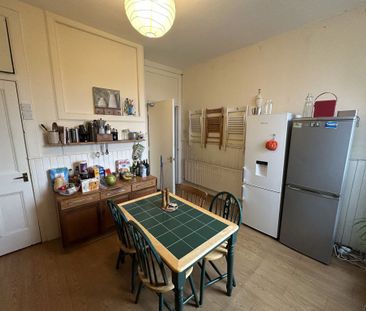

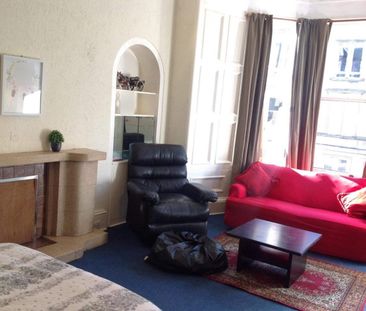
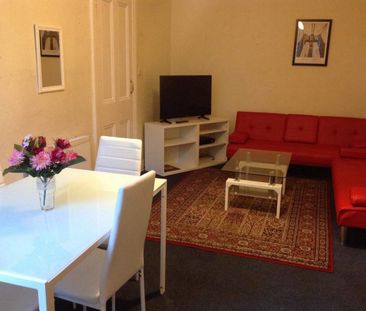


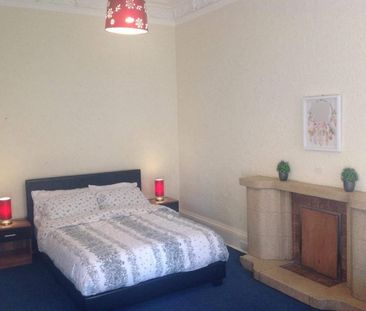


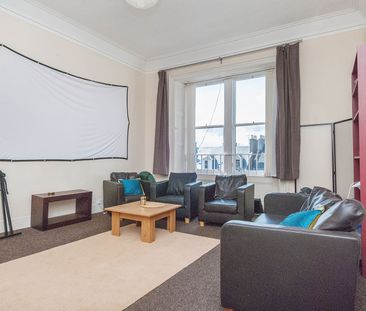
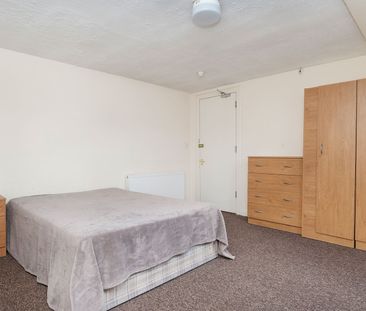
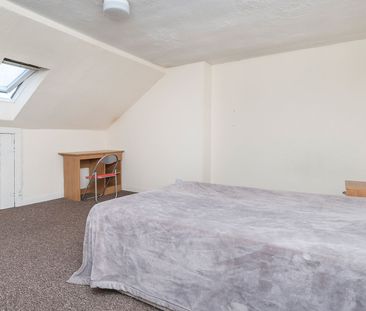
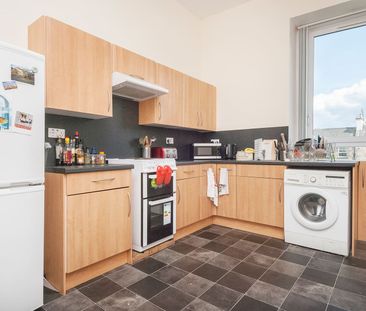
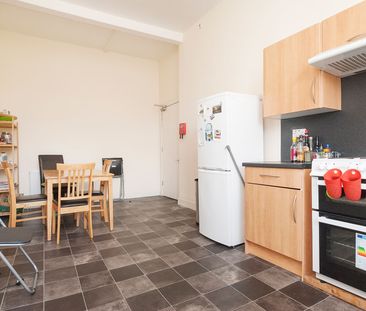

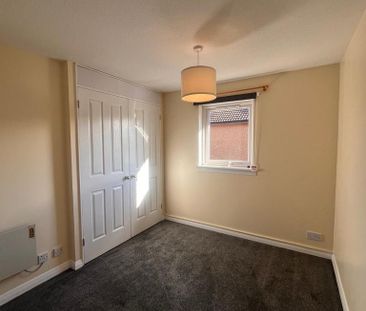


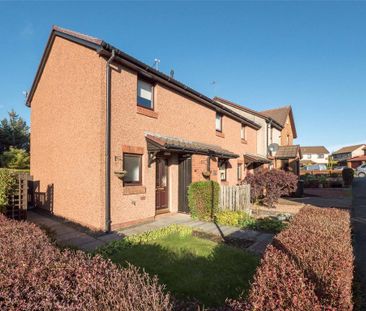
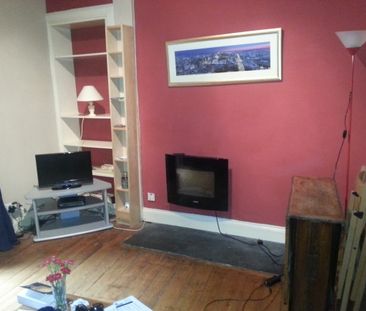



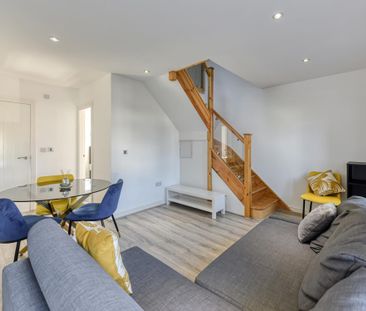







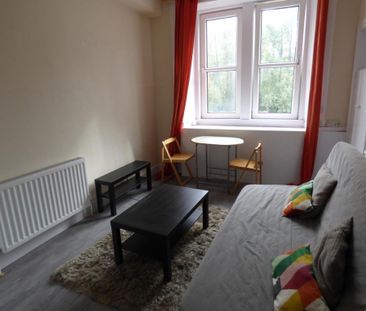
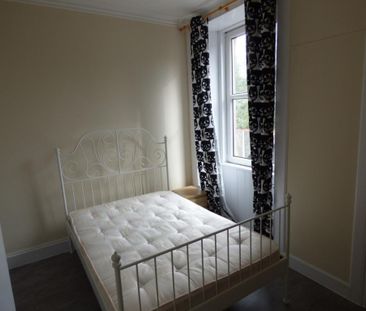
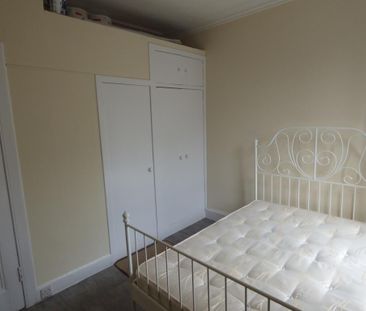
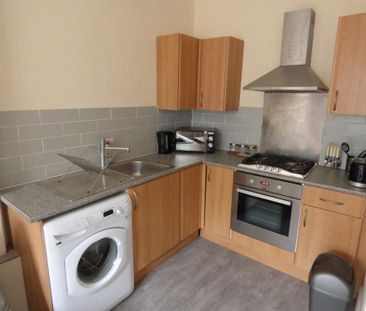
















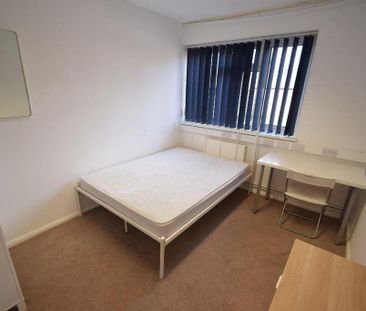
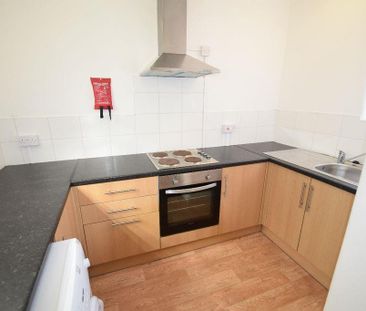
Renting in Edinburgh in 2026 typically costs around £1,300 a month for a 1-bed and £1,700 for a 2-bed, with rooms in shared houses from £700. Most agents require annual income of 30 to 33× the monthly rent. Deposits are capped at five weeks. All new private tenancies are open-ended Private Residential Tenancies under the 2016 Act. Have ID, payslips, employer reference, and right-to-rent proof ready before viewing.
Renting in Edinburgh in 2026: Private Residential Tenancies, festival pressure, and Britain's tightest non-London market
One-bed rents average £1,300 a month, the August festival pressure is structural, and Scotland's tenancy regime works differently from England's. Here is how to actually find a flat.
 Rock seen across Princes Street Gardens"
loading="eager" decoding="async" fetchpriority="high"
style="width: 100%; height: auto; display: block; border-radius: 2px;">
Rock seen across Princes Street Gardens"
loading="eager" decoding="async" fetchpriority="high"
style="width: 100%; height: auto; display: block; border-radius: 2px;">
Neighbourhoods in Edinburgh at a glance
| Neighbourhood | Typical 1-bed | Character | Best for |
|---|---|---|---|
| Old Town / Royal Mile (EH1) | £1,500 | Tourist heart, period flats, walk everywhere | Professionals, walk-to-work |
| New Town (EH2/EH3) | £1,650 | Georgian terraces, premium, walk to centre | Premium professionals, families |
| Marchmont / Bruntsfield (EH9/EH10) | £1,300 | Student belt, tenements, parks | Students, postgrads, young professionals |
| Stockbridge (EH3/EH4) | £1,450 | Village feel, premium, Sunday market | Families, mid-career professionals |
| Leith / The Shore (EH6) | £1,200 | Waterfront, foodie, regenerated | Young professionals, creatives |
| Tollcross / Fountainbridge (EH3/EH11) | £1,150 | Walk to centre, value, sharer-friendly | Sharers, students, early-career |
| Morningside (EH10) | £1,250 | Leafy, families, schools, premium | Families, established professionals |
| Portobello (EH15) | £1,150 | Seaside, beach, premium suburb | Families, beach lovers |
Ranges reflect asking rents observed across Rentumo’s feed in 2026. Individual properties — particularly period conversions and new-builds with high energy ratings — sit above the top of each band.
How to rent in Edinburgh, step by step

- 1 Confirm your budget and income threshold. Most agents apply a 30 to 33 times rule: your annual income must be 30 to 33 times the monthly rent. Below this, you will need a UK-based guarantor whose income alone clears the same bar. Factor in council tax, utilities, and transport.
- 2 Get your documents in order before viewing. Photo ID, right-to-rent proof, three months of payslips, an employer reference, and proof of current address — as PDFs on your phone. Good flats let within 24 to 72 hours; the candidate who emails their full file ten minutes after viewing usually wins.
- 3 Shortlist three to five neighbourhoods, not the whole city. Pick your budget band first, then narrow to three to five areas within it that match your commute and your weekend lifestyle. Searching the whole city gives you decision paralysis.
- 4 Book viewings the same or next day. Treat each viewing as an inspection. Check the water pressure, the storage, the mobile signal, the noise from the street at 9pm, and whether the windows actually close.
- 5 Make a written offer at the advertised rent. Submit your offer in writing. Scotland's Private Residential Tenancy regime (Private Housing (Tenancies) (Scotland) Act 2016) does not permit rental bidding above the advertised rent; agents who push you to bid up are operating outside the law.
- 6 Pass referencing. The agent will run credit, income, employer, and previous-landlord checks via a third-party agency. Plan on a week. If affordability is borderline, the agent will request a guarantor before they tell you the offer has been accepted.
- 7 Sign the Private Residential Tenancy and pay the deposit. Scottish tenancies are Private Residential Tenancies (PRTs) — open-ended with no fixed term. The deposit is capped at two months' rent and must be lodged in one of three government-approved Tenancy Deposit Schemes (SafeDeposits Scotland, Letting Protection Service Scotland, or mydeposits Scotland) within 30 working days.
What you need in your application pack
Put everything into a single, clearly named PDF. If a letting agent has to chase you for a missing document, your application is already second in line.
- ✓ Photo ID — UK passport or driving licence. For non-UK citizens, your passport plus visa or immigration documents.
- ✓ Right-to-rent proof — UK and Irish citizens use a passport; pre-settled and settled status holders generate an online share code; visa holders use their BRP or eVisa share code.
- ✓ Proof of income — three most recent monthly payslips or, if self-employed, an accountant's letter and SA302 tax calculations covering the last two tax years.
- ✓ Proof of address — utility bill or bank statement dated within the last three months.
- ✓ Employer reference — a letter on company letterhead confirming role, start date, and salary.
- ✓ Previous landlord reference — required for most tenancies after your first.
- ✓ Guarantor details — if required: ID, three months of payslips, and proof of address.
The three Edinburgh rental scams we see every week

1. The "overseas landlord" deposit trap. The listing is priced 20 to 40 per cent below market. The "landlord" claims to be abroad and offers to courier the keys once you transfer a holding deposit and first month's rent. They will not do an in-person or live-video viewing. Once you pay, they disappear. The avoidance is absolute: never pay any money before an in-person or live-video viewing. Reverse-image-search the listing photos — scam listings recycle photos from genuine adverts months apart.
2. The pressured bidding war. The agent or landlord tells you another applicant has bid above the advertised rent and asks if you want to match. Scotland's Private Residential Tenancy regime does not permit rental bidding above the advertised rent. If you are pressured to bid up, refuse and report the agency to Trading Standards. Genuine competition for a flat is decided by who applies fastest with a complete file, not by who pays the most.
3. The fake admin fee. An unregistered agency demands a "referencing fee", "admin fee", or "renewal fee" upfront. The Tenant Fees Act 2019 (and equivalents in Scotland, Wales, and NI) prohibit agents from charging these — only refundable holding deposits and security deposits are permitted upfront payments. Before paying anything, verify the agency on the relevant Property Redress Scheme or Property Ombudsman registers. Membership is legally required.
Questions readers ask about renting in Edinburgh
How much income do you need to rent in Edinburgh? +
Most letting agents apply a 30 to 33 times rule: your annual income should be 30 to 33 times the monthly rent. For a £1,300 a month one-bed, that is roughly £39,000 to £42,900 gross. If you do not meet the threshold, a UK-based guarantor with the same income on their own is the usual workaround.
How quickly do flats let in Edinburgh? +
Good properties typically let within 24 to 72 hours of listing. Edinburgh's market consistently has more renters than flats in the central and amenity-heavy postcodes. Same-day viewings and same-day offers are common; if you are not ready to decide quickly, the property will go to someone who is.
What is the typical deposit for renting in Edinburgh? +
Five weeks' rent is the legal maximum under the Tenant Fees Act 2019 (two months in Scotland under the 2016 Act; five weeks in Wales; one month in Northern Ireland). For a £1,300 a month flat, plan around four to five weeks' rent. Your deposit must be held in a government-approved tenancy deposit scheme.
Can foreigners rent in Edinburgh? +
Yes. Non-UK tenants need a valid passport and visa or immigration documents that prove their right to rent in the UK. Right-to-rent checks are standard in England, Wales, and Northern Ireland (Scotland operates a different framework). Expect to need a UK-based guarantor or to pay several months of rent in advance, though large advance payments are increasingly restricted across the UK.
Do I need a guarantor to rent in Edinburgh? +
Only if you do not meet the income threshold or are new to the UK. A guarantor is typically a UK homeowner whose income alone clears the 30 to 33 times rent rule. Students, recent graduates, and new arrivals are most often asked for one.
How long are tenancy agreements in Edinburgh? +
Scottish tenancies are Private Residential Tenancies (PRTs) — open-ended with no fixed end date. You can give 28 days' written notice at any time. Landlords need a statutory ground to recover possession.
Can I be evicted without a reason in Edinburgh? +
No. Scotland abolished no-fault eviction in 2017. Landlords must use one of 18 statutory eviction grounds under the Private Housing (Tenancies) (Scotland) Act 2016, and the First-tier Tribunal for Scotland decides contested cases.
Which areas of Edinburgh are cheapest to rent in? +
Outer postcodes and adjacent boroughs are the most affordable. Expect one-bed flats from £950 a month at the value end of the range, with longer commutes but solid transport links to the centre.
Living in Edinburgh in 2026
Living in Edinburgh is shaped by geography and the festival calendar in equal measure. The Old Town's medieval street plan and the New Town's Georgian grid sit side by side; the buses and the new tram line (now extended to Newhaven) handle the commute, and walking the EH1 to EH9 ring is genuinely viable in under 30 minutes. The cost of living gap with London is about 25 per cent on rent, less on everything else — Edinburgh is a comparatively expensive provincial city.
The August festival month — Fringe, International, Book, Art — reshapes the city for four weeks and makes short-term sublets temporarily lucrative for tenants. Outside August, the social spine is the pub culture, the restaurant openings around Leith and Stockbridge, and the small but serious live music scene (the Liquid Room, Sneaky Pete's, Summerhall). Edinburgh's outdoor access — Arthur's Seat, the Pentlands, the Water of Leith path — is the major lifestyle advantage over comparable UK cities.
Practical timing advice: the Edinburgh rental year is shaped by the university calendar. June and July are the peak months as student tenancies turn over, and August is essentially closed to anyone trying to move. November to February is the negotiation window — expect 5 to 10 per cent off advertised rent. The single most important Scotland-specific paperwork detail is the deposit: it must be lodged in one of three approved schemes (SafeDeposits Scotland, Letting Protection Service Scotland, or mydeposits Scotland) within 30 working days, and the certificate sent to you. Landlords who do not lodge can be fined up to three times the deposit.
Plenty of Edinburgh’s new renters arrive from elsewhere in the UK, Ireland and the EU — graduates, transfers, and returning expats. If you’re leaving a rental in another Rentumo market, we cover those too. Close the door on one side before opening the other.
→ Rentumo Ireland · Rentumo Germany · Rentumo France · Rentumo Netherlands
Ready to find your Edinburgh rental?
Rentumo aggregates flats and houses to rent from every major UK listing portal in one place — filterable by area, budget, commute time, and property type. No bidding wars, no chasing five sites simultaneously.
— The Rentumo Editorial Team, updated for 2026